




Table of content
Imagine your favorite character in a hit streaming series walking down a busy city street. In the background, a digital billboard displays an ad for a new electric car. It looks completely natural, a seamless part of the scene. But here’s the twist: that ad was digitally inserted into the show post-production, and it might be different for you than for a viewer in another country.
This isn't science fiction; it's the rapidly growing world of Virtual Product Placement (VPP), a powerful ad format that effectively acts as "virtual out-of-home" advertising within television content. By blending the unmissable, real-world presence of traditional out-of-home (OOH) media with the precision targeting of digital video, this innovative approach is creating a win-win for advertisers, content creators, and audiences alike.
Here’s how this hybrid format is combining the best of both worlds to become a highly viable and effective advertising tool.
The Power of "Being There": Borrowing from Traditional OOH
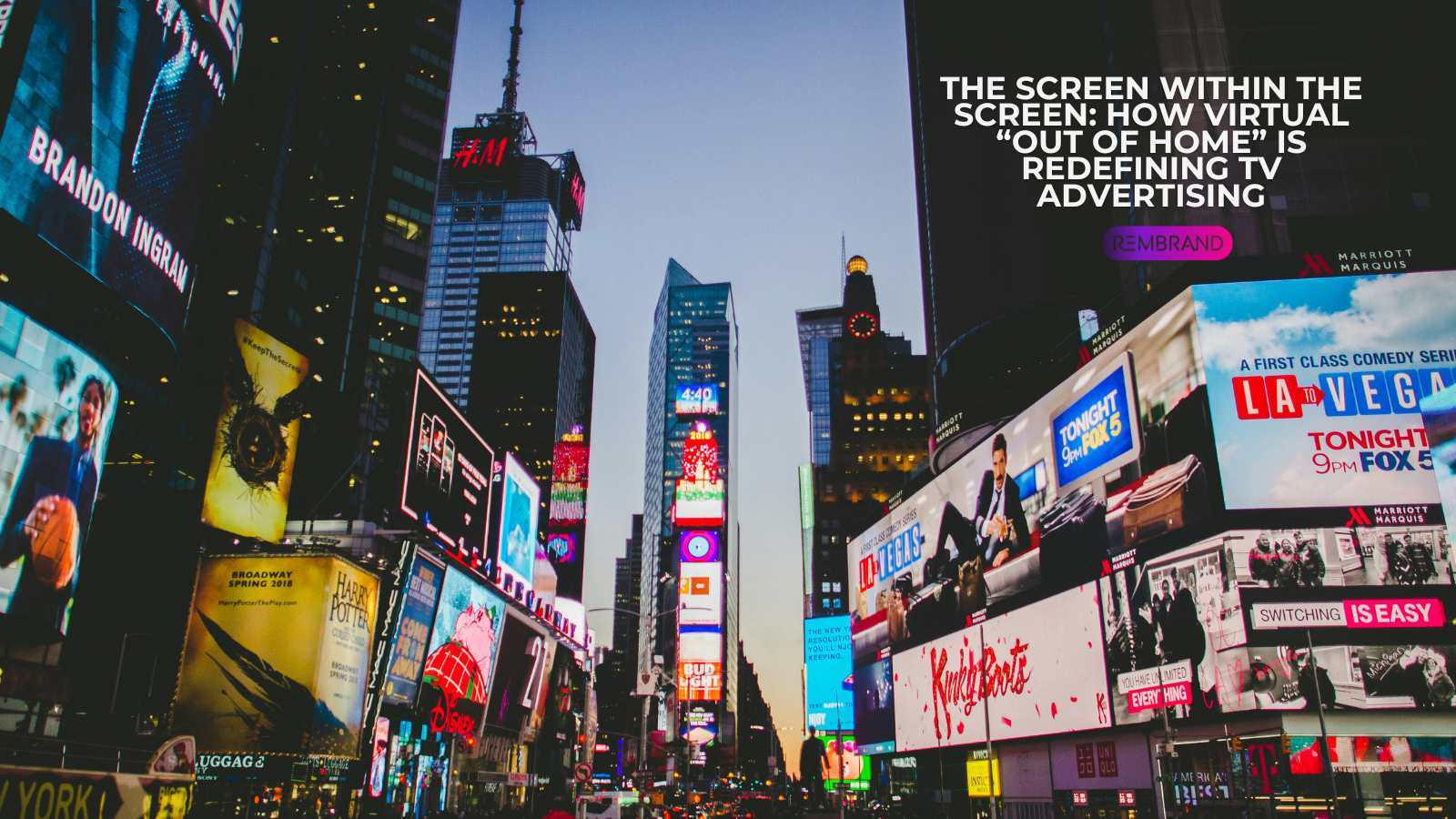
For decades, traditional out-of-home advertising, think highway billboards, bus shelter posters, and Times Square screens, has had an undeniable superpower: it is unskippable. You can't fast-forward past a billboard on your morning commute. It is a physical part of the environment, creating massive brand awareness through sheer visibility.
Virtual in-content ads leverage this same psychological principle. By embedding a brand message directly into the visual fabric of a show, on a TV screen in a sitcom's living room, a soda can on a kitchen counter, or a virtual billboard in a video game, the ad becomes ad-blocker-proof. It’s no longer an interruption between the content; it is a part of the content environment. This "always-on" visibility within an engaged viewing experience breeds familiarity and trust in a way that a disruptive 30-second spot simply cannot.
The Digital Edge: Hyper-Targeting and Deliverability
While traditional OOH is powerful, it's also a blunt instrument. A physical billboard shows the same message to everyone who drives by, regardless of their interests or intent. This is where the "virtual" part of the equation changes the game.
Because these ads are digitally rendered within streaming content, they inherit the powerful targeting capabilities of digital video advertising. Using data on demographics, location, and viewing habits, platforms can deliver different virtual ads to different households watching the exact same scene.
- Contextual Relevance: An ad for a sports drink can be dynamically placed into a scene taking place at a gym, ensuring the product is relevant to the moment.
- Geographic Targeting: A viewer in New York might see a virtual ad for a local delivery service on a background screen, while a viewer in London sees a different, locally relevant brand in the same spot.
- Programmatic Buying: Just like display or video ads, these virtual placements can be bought and sold programmatically in real-time, making the process efficient and scalable for advertisers of all sizes.
Why It Works: A Non-Disruptive Viewer Experience
Perhaps the biggest advantage of this format is that it respects the viewer's experience. In an era of "ad fatigue," where audiences eagerly pay to avoid commercials, an ad that doesn't interrupt the narrative is a welcome change.
When done right, virtual placements feel organic. They add realism to a scene rather than subtracting from it. A generic, blurry soda can in a scene can be distracting; a recognizable brand name on that can makes the world of the show feel more authentic. This positive, non-intrusive association can lead to higher brand recall and a more favorable brand image compared to traditional ad breaks that pull viewers out of the story.
The Future is Virtually Here
As streaming platforms continue to dominate and seek new revenue streams without alienating subscribers with excessive commercial breaks, virtual in-content advertising is poised for explosive growth. It's a sophisticated evolution that takes the towering presence of a real-world billboard and gives it the intelligent, targeted brain of a digital campaign.
For brands looking to make a lasting impression in the fragmented media landscape, stepping "inside the screen" might just be the most effective outdoor campaign they've ever run.
.svg)


